
Introduction
In recent years, there has been a consistent increase in the number of students applying to international universities. Parents are looking at more than just destinations or rankings. They are posing more in-depth queries regarding preparedness. Is my child academically ready for an international classroom? Can they handle pressure, independence, and new systems?
Selecting the appropriate Senior High School is the solution for many families. The International Baccalaureate Diploma Programme has drawn praise for its intellectual depth and global perspective. The preparation is more thorough when this program is provided in a residential school environment.
IBDP residential school in Pune gives learners the chance to grow intellectually while learning how to be independent, responsible, and structured. Sanjay Ghodawat International School implements this approach in Grades 11 and 12 by integrating global curriculum standards with a residential environment that promotes focused learning and individual development
What Is the IBDP Curriculum and Why Universities Prefer It
Students in Grades 11 and 12 can enroll in the two-year International Baccalaureate Diploma Programme. Instead of prioritizing memorization for tests, it focuses on assisting learners in gaining a thorough understanding of subjects. Learning is ongoing, methodical, and introspective.
Students are encouraged to approach things thoughtfully via the IBDP curriculum. It is expected of students to independently analyze, apply concepts, and organize their work. The expectations that students may encounter in foreign universities are very similar to this method.
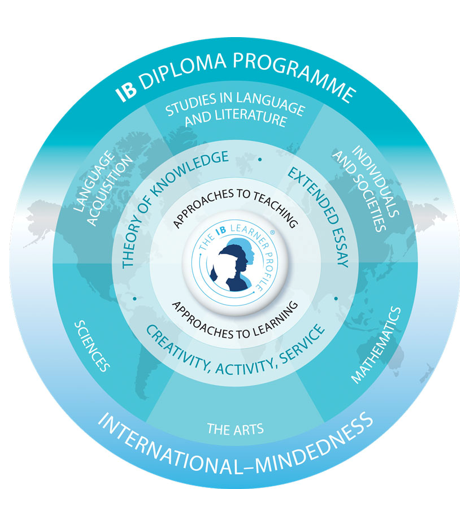
The IBDP’s academic framework is well-known to universities worldwide. They acknowledge the degree of accountability students have for their education as well as the regularity of assessments. The IBDP emphasizes comprehension, communication, and academic rigor more than rote-based methods. These attributes frequently facilitate students’ easier adjustment into international higher education settings.
Role of a Residential IB School in Student Development
Students’ development during their Senior Secondary years is greatly influenced by residential IB schools. Everyday life becomes more structured when one lives on campus. There is a regular rhythm to academic calendars, study time, activities, and relaxation.
Students benefit from this structure by learning discipline and time management skills, both of which are crucial for being ready for overseas colleges. Students have the ability to organize their schedules, fulfill deadlines, and manage their personal and academic obligations.
Independent learning is another benefit of residential schooling. Students are encouraged to take charge of their routines and choices while being mentored in a supervised setting when they are away from home. Over time, this freedom fosters maturity and self-assurance, traits that colleges respect just as highly as academic achievement.
Academic Rigor That Matches Global University Standards
The academic rigor of the IBDP is one of its advantages. Subjects are taught in-depth, encouraging students to delve deeply into ideas rather than skimming the material. This depth is in line with what is expected by international universities.
The IBDP is continuously being assessed. In order to keep learning consistent throughout the curriculum, students are assessed using organized internal and external procedures. Students are better prepared for the ongoing assessment techniques that are frequently employed in foreign universities through this structured approach.
Additionally, research-based learning is encouraged by the academic method. Students gain confidence in managing larger academic assignments, clearly explaining concepts, and organizing material. When students transfer from school to international university settings, these experiences aid in closing the adjustment gap.
University-Focused Mentorship and Career Guidance
Academic preparedness alone is not enough to prepare for international university entrance. In order to comprehend their alternatives and make wise judgments on their future, students require guidance.
Mentorship is emphasized in Grades 11 and 12 at IBDP residential schools. As they investigate their academic interests and potential career paths, students receive systematic assistance. They are better able to comprehend expectations and carefully consider their next course of action thanks to this support.
Clarity and readiness continue to be prioritized over pressure. Students learn how to confidently present their academic progress through consistent contact and guidance. They can approach foreign admissions with more awareness and organization because of this method.
Development of Global Skills Required by Universities
Students that are capable of autonomous thought, effective communication, and environmental adaptation are sought after by international colleges. The IBDP’s learning methodology facilitates the growth of these abilities.
Students are taught to solve problems, analyze circumstances, and clearly communicate their thoughts. This gradually increases self-assurance in decision-making and communication. These abilities are further strengthened by living in a residential situation, where students regularly engage with peers from different backgrounds.
Students gain cultural awareness and flexibility when they are exposed to diverse viewpoints. These experiences help children get ready for international classrooms where cooperation and tolerance are crucial.
Why SGIS Is a Preferred IBDP Residential School in Pune
The residential setting at Sanjay Ghodawat International School encourages academic concentration and individual accountability. Students can progressively gain freedom while adhering to a strict regimen due to the campus layout.
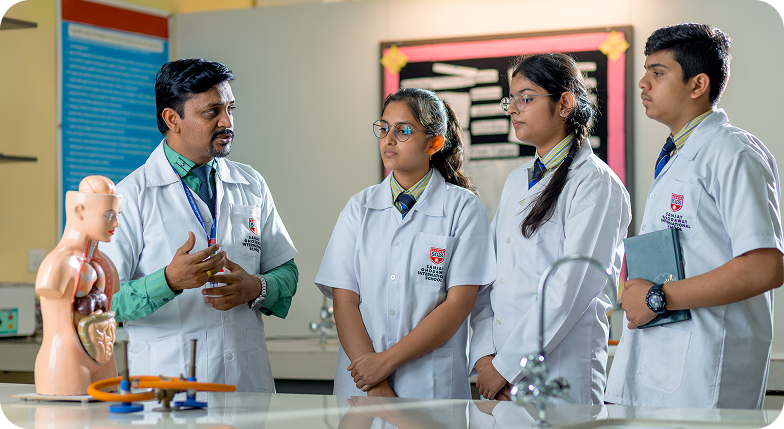
The school adheres to global education standards by using an international academic approach. Throughout Grades 11 and 12, teachers work closely with students to guide them through the demands of the classroom while preserving a healthy balance.
SGIS gives students the opportunity to develop both intellectually and personally through its residential facilities and student-focused atmosphere. Students feel more prepared when they transition to foreign higher education because of this well-rounded approach.
Conclusion
It takes time to get ready for admission to a foreign university. It entails being prepared academically, exercising self-control, and being able to adjust to new situations. This approach is supported by an IBDP residential school, which blends structured education with practical responsibility.
A residential IBDP pathway is a thoughtful method for families thinking about sending their children to an IB school in Pune to get them ready for a global education. SGIS is a great choice for students who want to attend institutions overseas because of its worldwide academic approach and structured campus environment.
Looking for the best IBDP School in Pune to prepare your child for global university admissions?
Contact SGIS Pune today to learn more about our residential IBDP program.
FAQs
How does an IBDP residential school help with international university admissions?
An IBDP residential school supports academic readiness, independent learning, and time management, helping students adapt to the expectations of international universities.
Do IBDP residential schools help with SAT and IELTS preparation?
IBDP residential schools focus on academic skills and structured learning. Any additional preparation is guided based on student needs and future plans.
Is a residential IB school suitable for Grades 11–12 students?
Yes. Residential schooling during Grades 11 and 12 helps students develop discipline, independence, and focus, which are important for higher education.
Why choose an IBDP School in Pune?
Pune offers a strong academic culture and a calm, student-friendly environment. An IBDP school in Pune combines global curriculum standards with the focus and structure students need during Grades 11 and 12.